
Realtime Water Assessment System (realtimeWAS)
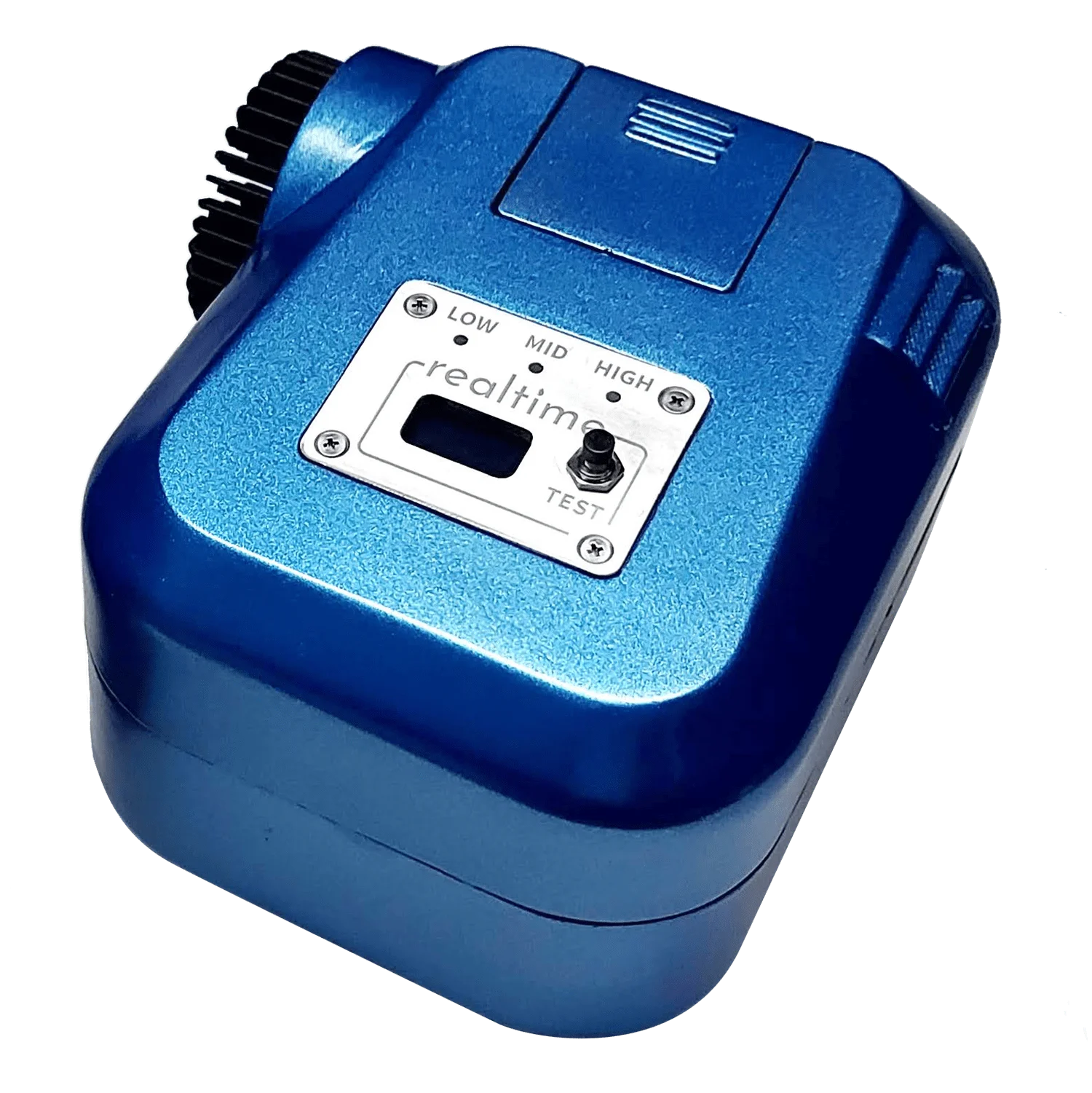
Sub-ppb water quality monitoring in under 1 minute. Real-time, field-deployable, affordable.
Become one of exclusive Early Adopters for realtimeWAS! Contact our marketing and sales partner, Nabla-cubed Innovation Pvt. Ltd., to secure massive discounts, weekly on-site support, and free feature upgrades through our Early Adopter Sales Agreement.
The Problem
Diarrheal diseases, primarily spread through fecally contaminated water, claim the lives of over 700 children globally each day, according to UNICEF. Furthermore, the water consumed by over 3 billion people remains untested for fecal contamination. In Nepal alone, water-borne diseases cause more than 8,000 child deaths annually, with over 80% of the population lacking access to safe drinking water. A significant hurdle in addressing this crisis is the absence of affordable and rapid water surveillance methods. Current methodologies are impractical for developing nations like Nepal, as they necessitate laboratory infrastructure and an incubation period of 24-48 hours.
Our Solution
Our innovative, patent-pending, reagentless system features an "optical engine" that primarily operates in the deep-UV spectrum. It simultaneously measures Tryptophan and Tyrosine amino acids, which are commonly produced by fecal coliforms, humic matter (decayed organic material), and turbidity.
Pending Patent: A. Dhakal, R. Maharjan, and T. Krauss, "Fluorometer and method for use in determining the composition of an analyte." UKIP GB2502605.5.
History of this technology & partnerships
- The project which aimed for developing this technology was initially funded by The World Academy of Sciences (TWAS)/sida and UNESCO which funded several key equipment to develop this technology.
- The optics component of this research, and development of the first prototype was done in collaboration with Prof. Thomas Krauss’s team at the University of York. The project was funded by UK’s Engineering and Physical Research Council and Global Challenges Research Fund.
- Optical Foundation provided funding for piloting this technology.
- Dr. Marcel van der Horst’s team in Amsterdam University of Applied Sciences supported us in the development of amplifier electronics used in this technology.
- Diyalo Foundation and Global School for Entrepreneurship has been supporting us towards developing business strategies and securing international collaboration and network for taking this technology to the market.
Specifications
- Protein matter detection: 0.5-500 ppb
- Turbidity measurement: 0.1-100 NTU
- Humic Matter Detection: 0.2-200 ppb QSU
- Battery powered
- Easy to operate
- Includes user-friendly basic traffic-light indicators according to WHO risk categories
Example applications
- Internal Quality Control: Pinpoint issues within purification and distribution systems.
- Regulatory Surveillance: Gain immediate insights into market drinking water quality.
- Environmental Monitoring: Quantify bacterial contamination and assess treatment efficacy.
- Livestock Farming and Food Processing: Assure the quality of the water before consumption by livestock.